
Navigation
- Negosyo
- Teknolohiya
Latest in Teknolohiya
Inatake ng IDF ang pinakasentro ng produksyon ng sonar systems at underwater detection systems sa Iran. Patuloy na pinalalalim ng IDF ang pinsala sa lahat ng sistema ng teroristang rehimen ng Iran.
1 na araw nakaraan
Pag-aaral ng Israel, Tinukoy ang mga Lokasyon ng Yelo sa Buwan para sa mga Hinaharap na Paglapag
1 na araw nakaraan
Inatake ng IDF ang isa pang petrochemical complex sa Shiraz – isa sa iilang natitirang complex para sa produksyon ng mahahalagang kemikal na sangkap para sa mga pampasabog at materyales para sa ballistic missiles.
Mga 2 na araw nakaraan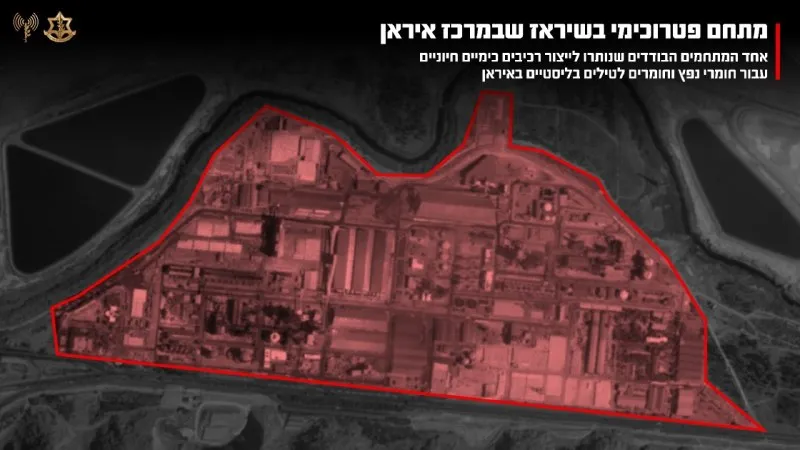
Nakita namin na may bagong batalyon na naitatag ngayong buwan, kaya’t nagsagawa kami ng combat reconnaissance mission.
Mga 2 na araw nakaraan
- Pulitika
Latest in Pulitika
Patuloy naming palalalimin ang pinsala sa rehimen ng Iran at patatagin ang isang forward defense area sa Lebanon upang maiwasan ang direktang pag-atake sa aming mga komunidad.
Mga 2 na araw nakaraan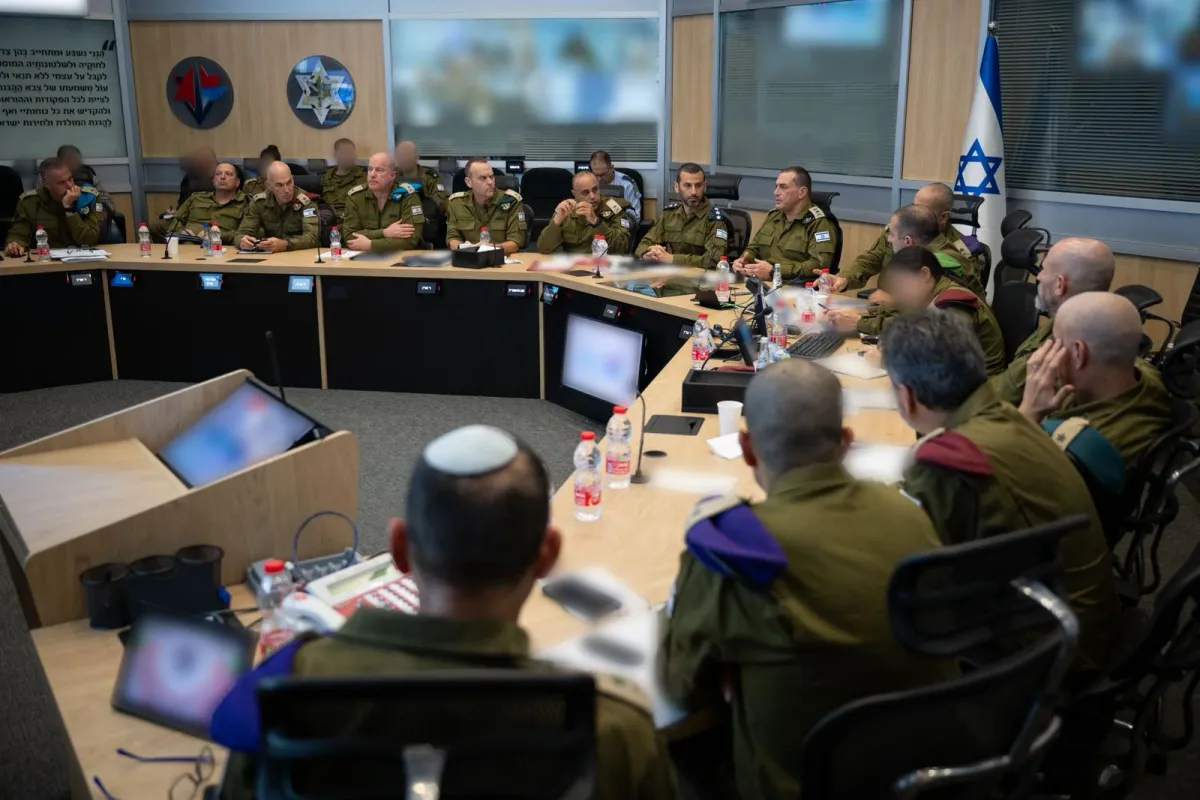
Pinatay ng IDF ang chairman ng intelligence organization ng Revolutionary Guards sa Tehran. Ang Air Force, sa gabay ng tumpak na intelligence mula sa Aman,
Mga 3 na araw nakaraan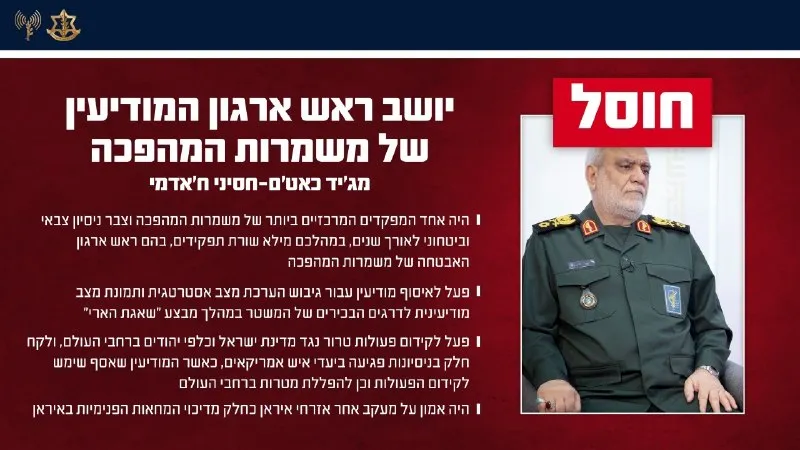
- Security
Latest in Security
Sa Gitna ng Panibagong Tensyon, Sinabi ni Trump na Hindi Bahagi ng Iran Deal ang Lebanon
28 minuto nakaraan
Update sa polisiya ng pagtatanggol ng Home Front Command. Patuloy na binabantayan ng IDF ang mga pagbabago at, alinsunod sa patuloy na pagtatasa ng sitwasyon ng Home Front Command,
58 minuto nakaraan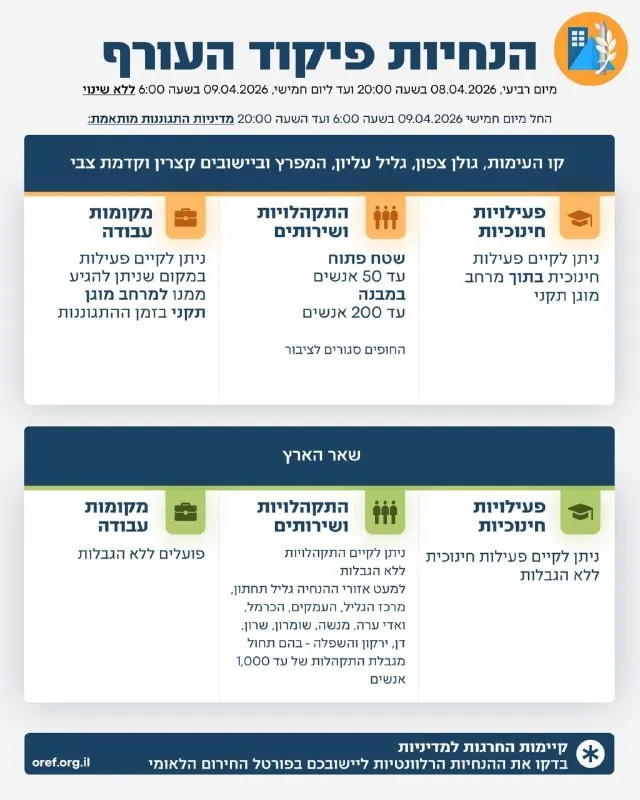
Iran, Nagbabanta sa Israel Dahil sa mga Pag-atake ng Hezbollah
3 mga oras nakaraan
IDF, Naglunsad ng ‘Pinakamalaking Pagsalakay sa Lebanon Mula Nang Magsimula ang Digmaan
6 mga oras nakaraan
- Ekonomiya
Latest in Ekonomiya
Matapos ang pagpatay sa mga matataas na opisyal at pag-atake sa mga paliparan: Inatake ng IDF ang pinakamalaking petrochemical complex ng Iran. Ang Air Force, sa gabay ng intelligence mula sa Aman,
Mga 3 na araw nakaraan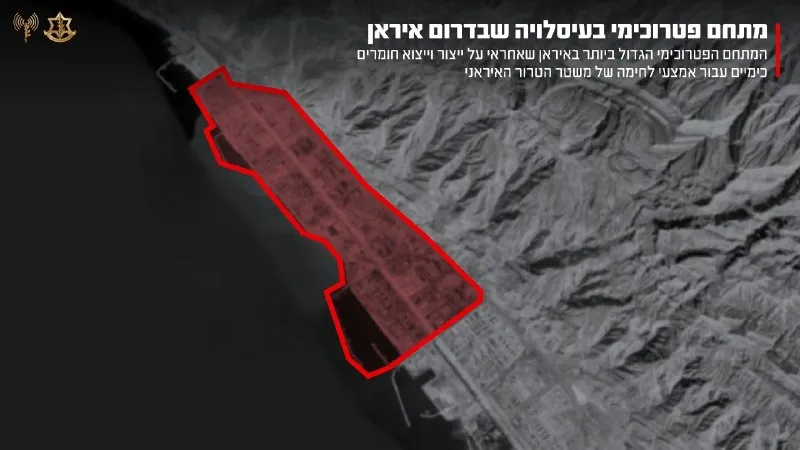
Nagsimula Muli ang Israel sa Leviathan Gas Field Matapos ang Limang Linggong Paghinto
Mga 3 na araw nakaraan
- Kalusugan
Latest in Kalusugan
- Mga Serbisyo
Travel & Transportation
Technology & Utilities
Religious & Cultural
Government & Public Services
Information & Directories




Photo by Kobi Richter/TPS-IL on 26 October, 2017
By Pesach Benson • 8 April, 2025
Jerusalem, 8 April, 2025 (TPS-IL) — Israeli researchers revealed that the way bacteria move plays a direct role in the spread of antibiotic resistance on Tuesday in a study that opens up new possibilities for fighting antibiotic resistance.
The research centered on bacterial conjugation, the process by which bacteria share genetic material, including antibiotic resistance. Hebrew University scientists led by Professors Sigal Ben-Yehuda and Ilan Rosenshine found that the rotation of the bacteria’s tail-like flagella acts as a mechanical signal triggering the conjugation process.
Till now, the prevailing understanding was that bacterial conjugation only took place on solid surfaces and that the tail’s rotation was only for movement.
But the findings, recently published in The EMBO Journal, a peer-reviewed journal, found that the tail’s movement, called flagellar rotation, takes place in liquid environments. The researchers also discovered that the tail’s rotational motion acts as a mechano-sensing mechanism causing donor cells to form multicellular clusters with recipient cells to facilitate efficient gene transfer. This helps the bacteria spread resistance genes, even in conditions previously thought to be less favorable for conjugation.
“This process of DNA transfer, called bacterial conjugation, has long been studied on solid surfaces,” said Prof. Ben-Yehuda. “What we found is that in liquid, it’s the rotation of the flagella that acts as a mechanical signal to kickstart this process.”
The study focused on pLS20, a widely distributed plasmid found in Bacilli subtilis, a common soil bacterium.
Researchers observed that rotating flagella triggered gene expression in donor cells, prompting them to form clusters with recipient bacteria. These clusters bring cells into close contact and facilitate DNA transfer. When flagellar rotation was blocked — either through genetic modification or by increasing the viscosity of the surrounding liquid — conjugation rates dropped sharply.
“It’s not just about having flagella,” Ben-Yehuda explained. “They need to rotate. That mechanical action is essential for signaling the bacteria to start sharing DNA.”
Since flagellar rotation is essential for triggering gene transfer, it presents a new potential target for antimicrobial strategies. Disrupting this mechanical signaling could help prevent the spread of resistance genes without killing bacteria outright.
The understanding that bacterial behavior in liquid environments such as the bloodstream, lungs or water systems is more dynamic than previously thought could also lead to better predictive models of how antibiotic resistance spreads.
“Our study brings about a novel notion that synchronizing DNA transfer with the bacterial motile lifestyle provides the plasmid with the advantage of spreading into remote ecological niches,” said Ben-Yehuda.

Pesach Benson